SyndicatedGovernment
The lost art of statesmanship
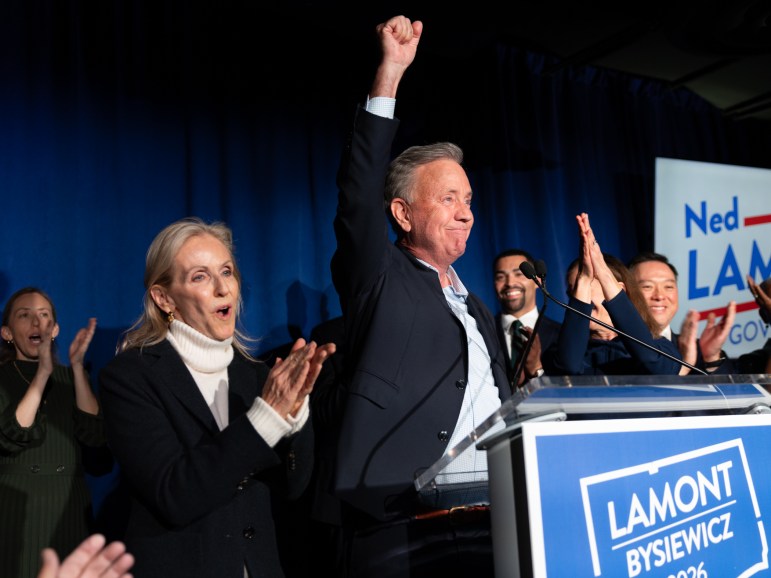
Gov. Ned Lamont celebrates his relection during an Election Night Party on Tuesday, Nov. 3, 2026 at Dunkin’ Park in Hartford.
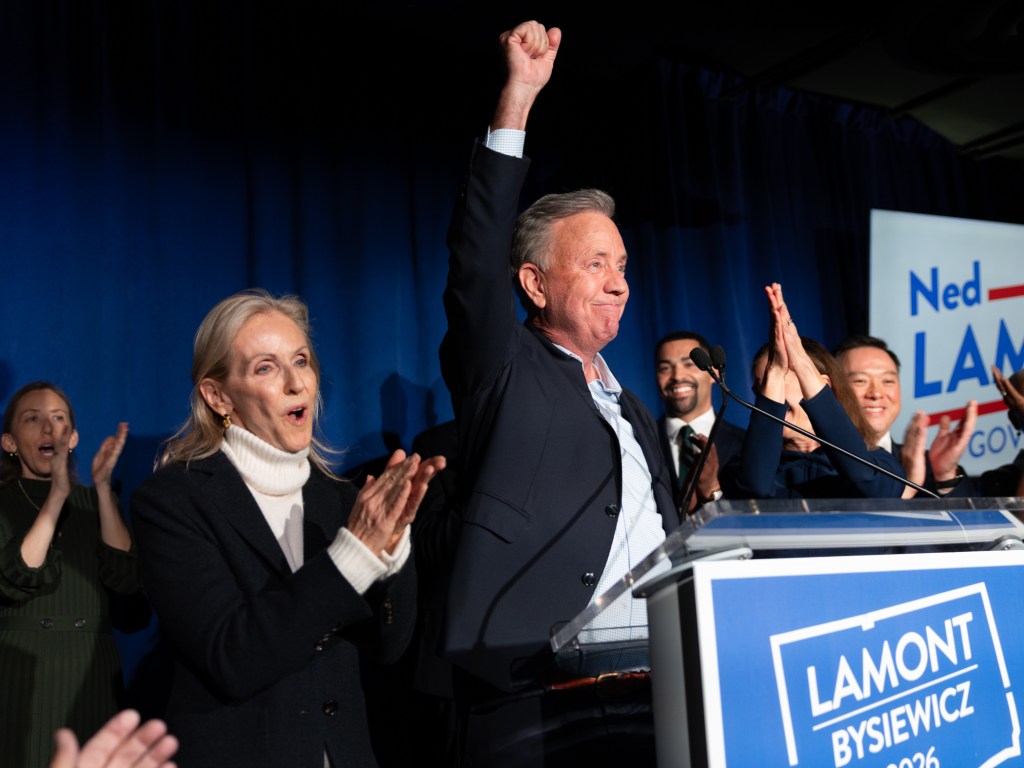
Gov. Ned Lamont celebrates his relection during an Election Night Party on Tuesday, Nov. 3, 2026 at Dunkin’ Park in Hartford.
" data-large-file="https://ctmirror.org/wp-content/uploads/2026/11/DEMS-ELECTION-NIGHT-1103-SG-17-771x578.jpg" /> I find it troubling how political discourse has become an exercise in demonizing opponents, too often marked by personal insults, hostility and division. Somewhere along the way, we seem to have confused civility with weakness, compromise with surrender, and political disagreement with personal hostility. Inflammatory rhetoric may attract attention, but it should never be mistaken for strength or effective leadership.
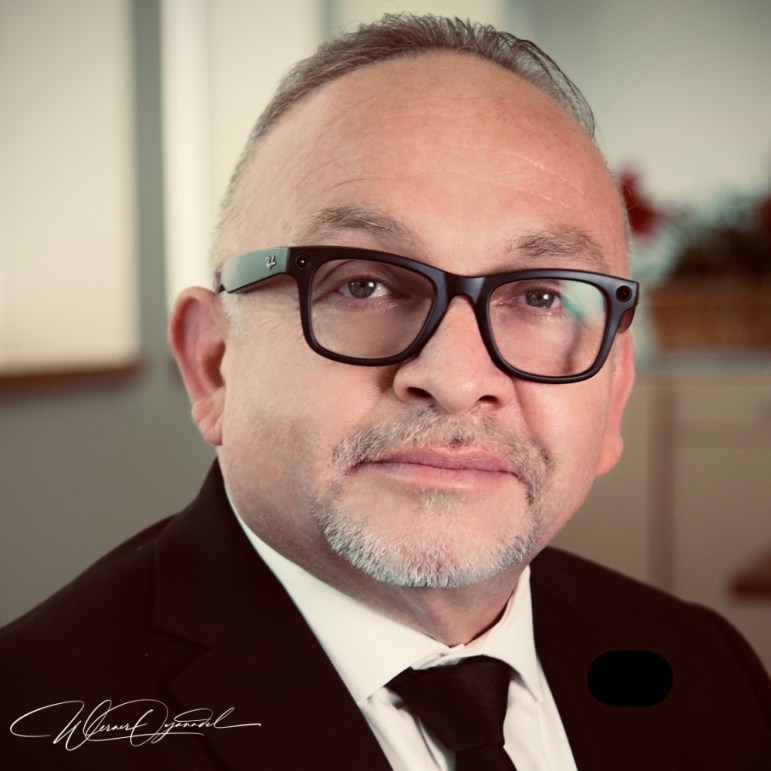
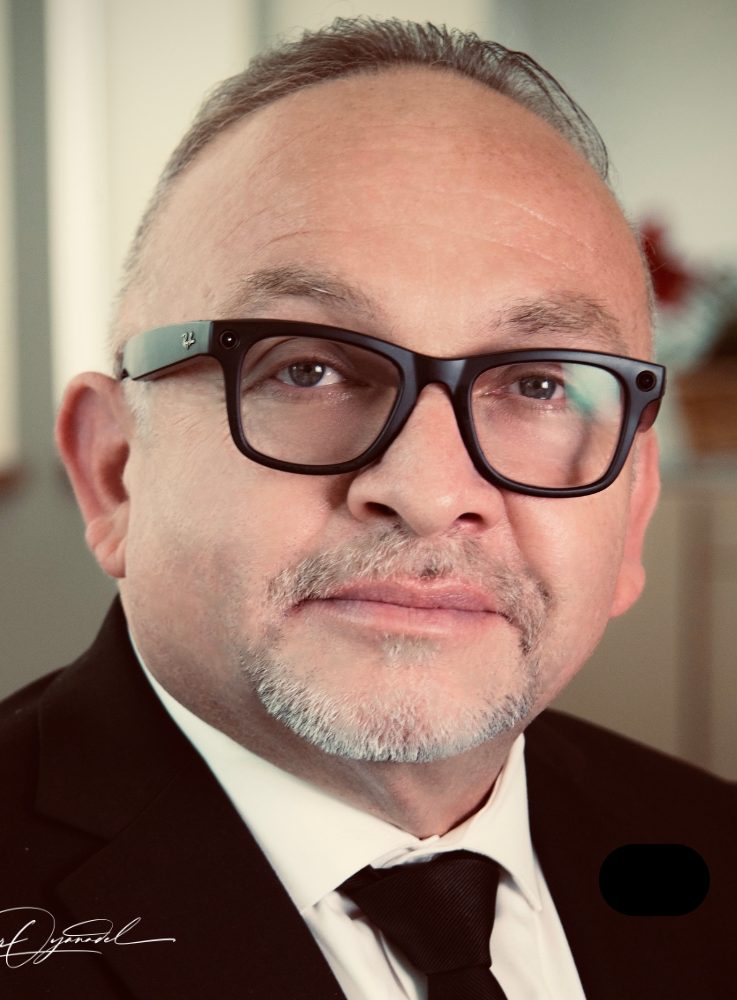
Werner Oyanadel
" data-large-file="https://ctmirror.org/wp-content/uploads/2025/06/Werner-Oyanadel-A-771x771.jpg" src="https://ctmirror.org/wp-content/uploads/2025/06/Werner-Oyanadel-A-e1749734794152-336x456.jpg" alt="" class="wp-image-1126194" style="width:169px;height:auto" srcset="https://ctmirror.org/wp-content/uploads/2025/06/Werner-Oyanadel-A-e1749734794152-336x456.jpg 336w, https://ctmirror.org/wp-content/uploads/2025/06/Werner-Oyanadel-A-e1749734794152-400x543.jpg 400w, https://ctmirror.org/wp-content/uploads/2025/06/Werner-Oyanadel-A-e1749734794152.jpg 737w" sizes="(max-width: 336px) 100vw, 336px" />
Part of the problem, I believe, is our failure to distinguish between winning an election and governing. These responsibilities require different kinds of leadership.
Candidates should vigorously debate ideas, challenge one another’s records and make their case to voters. Political competition is essential to democracy. But once an election ends, something important must change. Elected leaders are responsible not only to those who supported them, but to everyone they have been entrusted to serve.
I was encouraged to see two candidates shake hands following a recent gubernatorial debate in Connecticut. It was a small gesture, but one that carried meaning. In Little League, young athletes learn to shake hands with opponents after a game, regardless of the outcome. It is a simple lesson in sportsmanship, respect and humility. Shouldn’t we expect at least the same from those aspiring to lead us? Our children are watching, and the examples we set help shape the leaders of tomorrow.
Winning an election requires persuading enough people to support you. Governing requires accepting responsibility for everyone, including those who opposed you.
Unfortunately, the instincts that help candidates win do not always translate into effective governance. Energizing supporters, drawing sharp distinctions and defeating opponents may produce electoral victories. Governing demands something more: humility, judgment, cooperation and the recognition that no person or party has a monopoly on good ideas.
Connecticut has offered another encouraging example. In September 2023, the University of Hartford hosted a bipartisan conversation about civility in politics, bringing together leaders from different political backgrounds to discuss listening, mutual respect and common ground. Their exchange reminded us that political differences need not prevent cooperation. Respectful disagreement can be a strength in democratic leadership.
Civility does not mean avoiding difficult conversations, suppressing passion or pretending our differences do not exist. It means recognizing the dignity of people with whom we disagree. We can challenge someone’s ideas without questioning their humanity. We can stand firmly on principle without resorting to ridicule or personal attacks. The strength of an argument should rest on its substance, not the volume of an insult.
I’ve always appreciated the analogy of our country as an airplane. We may disagree with the pilot, question the flight plan or wish someone else were at the controls. But rooting for the plane to crash simply because we dislike who is flying it makes little sense. We are all passengers, and the consequences of failure affect us all. That does not mean accepting every decision without protest. It means caring about the country’s well-being even when we oppose its leadership.
Statesmanship also does not mean abandoning convictions or compromising fundamental principles. There are moments when leaders must stand firm, particularly when constitutional rights, democratic institutions or the public interest are at stake. But standing firm on principle is different from refusing to cooperate simply because an idea comes from a political opponent.
I worry that some leaders become so consumed by the competition for power that they fail to recognize when the campaign must give way to governing. The insults that win applause at a rally may undermine the trust needed to work together afterward. And citizens have a role to play, too: We should demand substance rather than spectacle and resist the temptation to treat neighbors who vote differently as enemies.
A great debater may win an election, but it takes a great statesperson to lead a nation.
Democracy does not require us to agree on everything. It requires something harder: the maturity to disagree without becoming enemies, the courage to compromise when appropriate and the wisdom to recognize that our shared future matters more than any individual political victory.
Civility is not weakness. It is the strength to disagree without disrespect, to lead without demeaning others and to recognize that the measure of statesmanship is not simply how well we win, but how responsibly we govern together.
The greatest victory is not when one political party triumphs over another, but when our democracy emerges stronger. When we get this right, our democracy wins — and so do we all.
Werner Oyanadel lives in Willimantic.